
In today’s hyper-competitive digital landscape, customers expect more than just generic ads or one-size-fits-all marketing messages. They demand personalized experiences that speak directly to their needs, preferences, and behavior. This is where AI-Driven Personalization in Marketing steps in — reshaping how brands interact, engage, and convert their audiences.
With the rise of artificial intelligence, personalization has evolved beyond basic segmentation. Businesses can now leverage advanced algorithms, predictive analytics, and real-time data to create experiences so unique that every customer feels individually understood. For modern businesses, this isn’t just a trend — it’s a game-changing necessity.
In this blog, we’ll explore the top benefits of AI-Driven Personalization in Marketing, how it works, and why it’s transforming the way modern companies connect with their audiences.
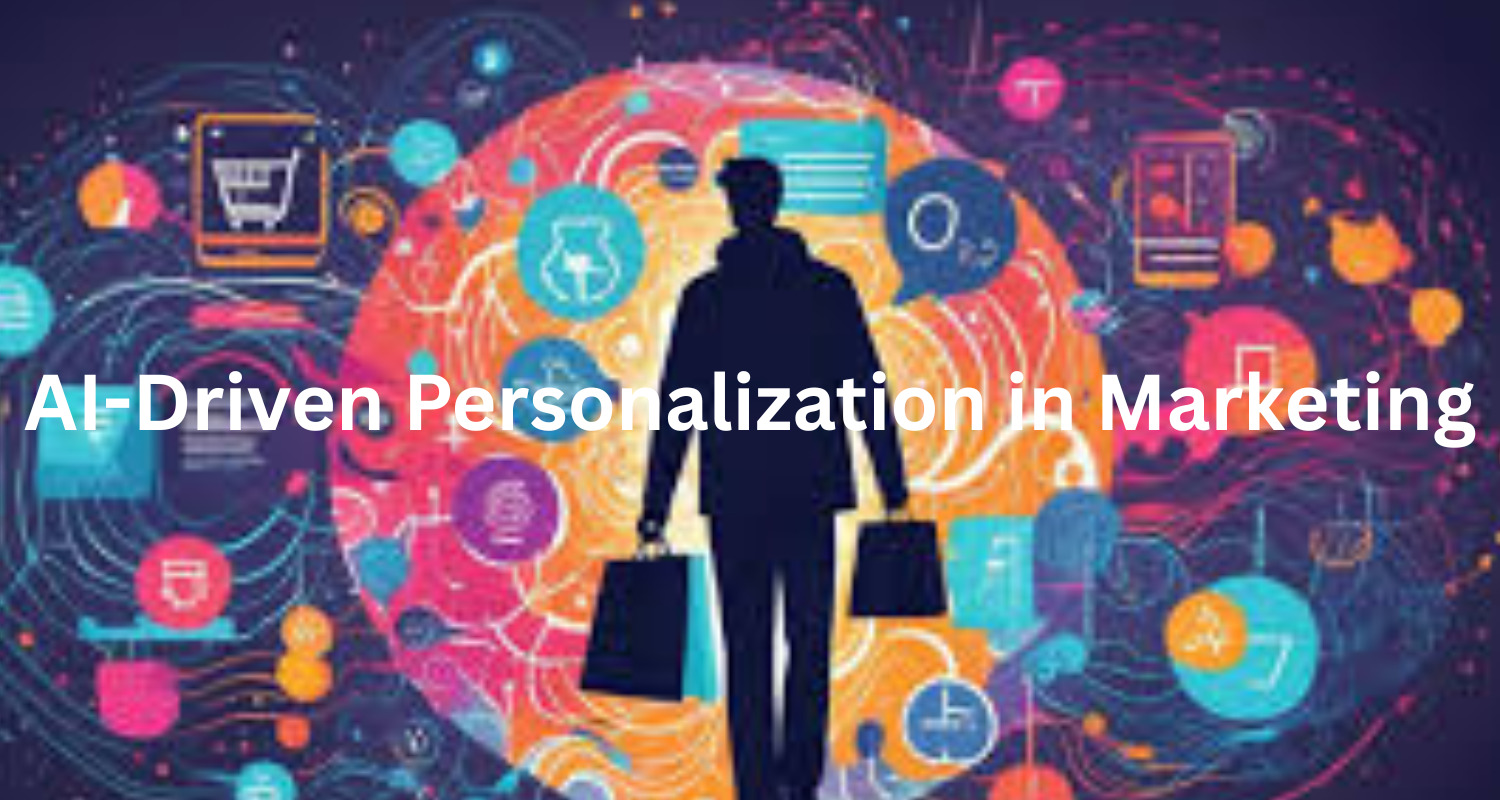
What Is AI-Driven Personalization in Marketing?
AI-Driven Personalization in Marketing is the process of leveraging artificial intelligence (AI) and machine learning (ML) to create highly individualized marketing experiences for each customer. Instead of using generic campaigns or static audience segments, this approach enables brands to understand and respond to each user’s unique behaviors, preferences, and intent in real time.
At its core, AI-Driven Personalization in Marketing uses algorithms that continuously analyze and learn from massive datasets — far beyond what a human marketer could ever process. These datasets include demographic information, browsing behavior, purchase history, engagement levels, time spent on pages, device type, and even subtle factors like tone in customer reviews or emotional sentiment in feedback. By identifying hidden patterns and correlations within this data, AI can accurately predict what each customer is most likely to need, want, or do next.
This advanced form of personalization goes well beyond traditional methods. In the past, marketers relied primarily on simple data points such as age, gender, or location to segment their audiences. While useful, these factors only provided a surface-level understanding of customer behavior. AI, however, dives much deeper — analyzing intent signals, timing patterns, and contextual cues to deliver content that feels natural, relevant, and human.
Real-world examples of AI-Driven Personalization in Marketing include:
-
E-commerce platforms using AI recommendation engines to suggest products that align with each shopper’s browsing history, purchase patterns, or even what similar customers have purchased.
-
Streaming services like Netflix and Spotify employing AI algorithms to personalize playlists, movie recommendations, and viewing suggestions based on individual tastes and habits.
-
Email marketers creating dynamic campaigns that automatically adjust subject lines, timing, and product offers according to real-time user interactions and engagement data.
-
Retail brands leveraging AI chatbots that provide personalized shopping assistance — remembering preferences, answering questions, and guiding customers toward the perfect product.
-
Advertising platforms optimizing ad placement and creative design through AI models that predict which message will resonate most with a specific viewer at a specific time.
The outcome of implementing AI-Driven Personalization in Marketing is transformative. Customers no longer experience generic marketing—they encounter brand interactions that feel timely, personal, and intuitive. This leads to:
-
Higher engagement rates, as users connect with content that genuinely interests them.
-
Increased brand loyalty, since customers appreciate the relevance and effort behind each interaction.
-
Improved conversion rates and sales, driven by more meaningful and predictive marketing strategies.
1. Enhanced Customer Experience
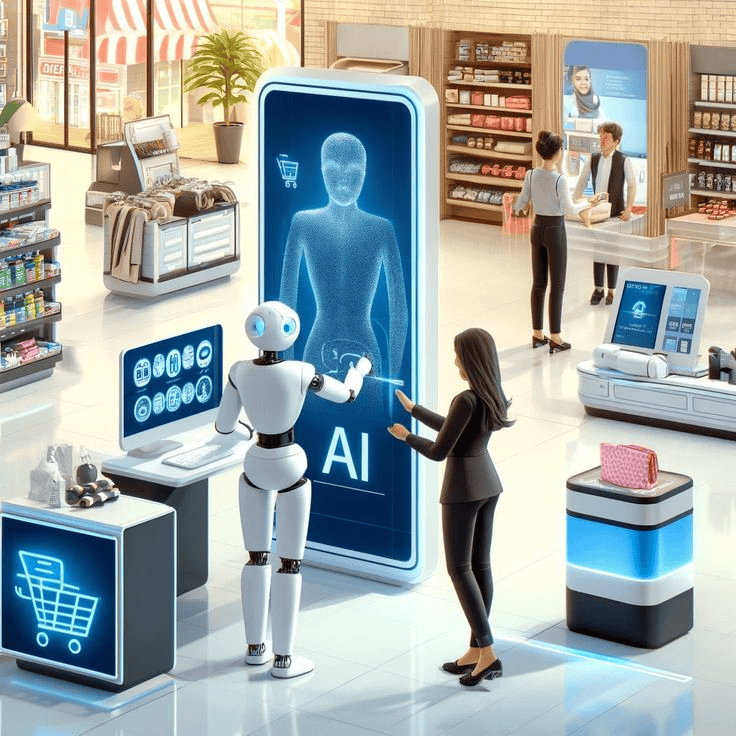
The first and most significant benefit of AI-Driven Personalization in Marketing is the ability to create truly personalized experiences. Customers today are bombarded with hundreds of marketing messages daily. AI helps cut through the noise by delivering content that’s highly relevant to each user.
For instance, when a customer visits your website, AI can instantly adjust what they see — from recommended products to banner images — based on their past interactions. This makes the experience smoother, more intuitive, and more satisfying.
Why it matters:
- Customers spend more time on your site when they see relevant offers.
- Personalized experiences make users feel valued, improving brand trust.
- A satisfied customer is far more likely to return or recommend your business.
When AI drives personalization, every interaction feels tailor-made — building stronger emotional connections between brands and consumers.
2. Increased Customer Engagement
Engagement is the heartbeat of every marketing campaign. AI-Driven Personalization in Marketing ensures that customers engage with your brand more frequently and meaningfully.
AI analyzes user data in real-time to determine which content type — videos, blogs, product recommendations, or emails — performs best for each customer segment. Marketers can then deliver targeted campaigns that spark genuine interest.
For example:
- AI can send push notifications at the exact time users are most active.
- Personalized social media ads can target users with the right message at the right moment.
Result: Higher click-through rates, better interaction metrics, and improved conversion potential.
3. Improved Conversion Rates
At the end of the day, every marketing effort is about driving conversions. AI-Driven Personalization in Marketing helps convert prospects into loyal customers faster and more efficiently.
AI uses predictive analytics to anticipate what customers are most likely to do next — whether that’s making a purchase, signing up for a newsletter, or abandoning their cart. By using this data, marketers can craft timely, relevant interventions.
Examples include:
- Offering discounts to users who are about to exit a checkout page.
- Recommending complementary products to increase cart value.
- Sending reminder emails at the perfect moment.
These small yet intelligent actions can significantly improve conversion rates, turning casual visitors into paying customers.
4. Better Customer Retention and Loyalty
Acquiring a customer is only half the battle — retaining them is where long-term success lies. AI-Driven Personalization in Marketing helps businesses keep customers coming back by continuously learning about their evolving preferences.
AI can track how a customer’s interests change over time and automatically adapt marketing messages accordingly. This creates a dynamic experience that grows alongside the user.
For example:
- AI-based loyalty programs can reward users based on engagement patterns.
- Email campaigns can shift focus from acquisition to relationship building.
Why it’s powerful:
Customers who feel recognized and appreciated tend to stay loyal longer. Personalized interactions make them feel part of your brand journey — not just another number in a database.
5. Efficient Use of Marketing Budget
Traditional marketing often involves guesswork — spending money on campaigns that may or may not work. AI-Driven Personalization in Marketing eliminates this inefficiency by focusing on data-driven insights.
AI identifies which channels, audiences, and messages yield the best ROI. It allows marketers to allocate resources strategically and reduce wasted ad spend.
For instance:
- AI can identify high-value customers and target them with personalized offers.
- It can optimize bidding strategies for paid ads to maximize conversions at minimal cost.
With smarter targeting and reduced waste, businesses enjoy a higher return on every marketing dollar spent.
6. Real-Time Personalization and Automation
In traditional marketing, personalization often happens after data is manually analyzed — a slow and reactive process. AI-Driven Personalization in Marketing changes that by providing real-time insights and automation.
AI tools can automatically adjust campaigns as they run, ensuring continuous optimization without human intervention. Whether it’s changing email subject lines, updating website banners, or tweaking ad copy — everything can be done in real time.
This kind of agility allows brands to stay relevant and responsive in a rapidly changing marketplace.
7. Deeper Customer Insights
One of the biggest challenges for modern marketers is truly understanding their audience. AI-Driven Personalization in Marketing goes beyond surface-level metrics by uncovering deeper behavioral insights.
AI can analyze unstructured data — such as social media comments, reviews, or chat interactions — to identify patterns, preferences, and even emotions.
- Understanding what drives customer decisions.
- Identifying at-risk customers before they churn.
- Tailoring future campaigns based on emotional sentiment.
The more marketers know about their audience, the more powerful their personalization strategies become.
8. Seamless Omnichannel Experience
Today’s customers move across multiple touchpoints — websites, apps, social media, and email — often within a single purchase journey. AI-Driven Personalization in Marketing ensures that their experience remains seamless across all these channels.
AI integrates data from every platform, creating a unified customer profile. This enables consistent messaging, tone, and offers regardless of where the user interacts with your brand.
Example:
If a user adds an item to their cart on your website, they might later see a personalized reminder on Instagram or receive a follow-up email — all powered by AI.
This kind of omnichannel personalization enhances convenience and keeps customers engaged wherever they go.
9. Predictive Analytics for Smarter Decision-Making
AI doesn’t just analyze current behavior — it predicts future actions. With AI-Driven Personalization in Marketing, businesses can leverage predictive analytics to forecast trends, anticipate needs, and make proactive decisions.
For instance:
- Retailers can predict which products will be popular in the coming season.
- SaaS companies can identify customers who might cancel their subscriptions.
- Content marketers can plan topics that will resonate with their audience.
Predictive personalization gives businesses a competitive edge by helping them act before opportunities are missed.
10. Competitive Advantage in the Modern Market
In a marketplace where every brand is vying for attention, personalization can be the difference between success and obscurity. Companies that embrace AI-Driven Personalization in Marketing gain a powerful competitive edge.
AI allows them to understand customers better, act faster, and market smarter. By delivering experiences that feel personal and human — even in a digital environment — brands stand out from the crowd.
Businesses that adopt AI-driven strategies early are better positioned to dominate their industries in the years to come.
Challenges to Consider
While the benefits are undeniable, implementing AI-Driven Personalization in Marketing isn’t without challenges. Businesses must handle data responsibly, ensure privacy compliance (like GDPR), and maintain transparency with users.
Additionally, AI systems require clean, high-quality data to perform effectively. Investing in proper data infrastructure and ethical AI practices is essential for long-term success.
Conclusion
AI-Driven Personalization in Marketing is more than a trend — it’s the future of how brands connect with people. From enhancing customer experiences and boosting conversions to improving loyalty and maximizing ROI, the benefits are too powerful to ignore.
Modern businesses that leverage AI personalization aren’t just staying ahead of the competition — they’re reshaping the very definition of customer engagement.
As technology continues to evolve, one thing is certain: the brands that use AI to understand, predict, and serve their customers best will be the ones that thrive in the digital era.