
Influencer marketing trends 2025
1. Rise of Micro & Nano-Influencers
-
Increasingly, brands are shifting budget away from celebrity/macro-influencers and toward micro (10K-100K followers) and nano (<10K followers) creators. Lookfamed+1
Why: these smaller creators often have higher engagement rates, more trust from their audience, more niche communities. theletsinfluence.com
-
How to adapt:
-
Pick creators whose audience aligns tightly with your brand niche (not just size).
-
Consider running a network of several micro/nano creators rather than one big name.
-
Budget accordingly (smaller fee each, more of them) but aim for higher ROI.
The world of digital marketing is transforming rapidly, and one of the most dynamic areas of change is influencer marketing. What began as simple product endorsements on social media has evolved into a sophisticated ecosystem of creators, technologies, and data-driven storytelling.
As we move through 2025, brands are rethinking how they collaborate with influencers. Authenticity, technology, and trust are taking center stage. Consumers are more discerning than ever, and brands must adapt to stay relevant. This article explores influencer marketing in 2025 — trends and strategies shaping its future and how marketers can leverage these shifts for maximum impact.
1. The Changing Landscape of Influencer Marketing in 2025
Influencer marketing has moved far beyond sponsored Instagram posts. In 2025, it’s a full-fledged marketing discipline with dedicated budgets, measurable ROI, and integrated cross-platform strategies.
Key shifts include:
- Integration with AI and data analytics for smarter influencer discovery and campaign optimization.
- Rise of niche and micro-influencers with smaller but more loyal audiences.
- Increased regulation and transparency around paid partnerships.
- Focus on long-term brand partnerships instead of one-off promotions.
These changes reflect how influencer marketing is evolving from a “trend” into a powerful and sustainable marketing channel.
2. The Role of Authenticity in the Age of AI
One of the most crucial influencer marketing trends 2025 brands must focus on is the growing demand for true authenticity. Audiences today can easily detect inauthentic endorsements, and they value creators who share honest, experience-driven opinions about the products they actually use. Brands that collaborate with influencers purely for reach, without genuine alignment, risk losing trust and credibility.
As influencer marketing trends 2025 evolve, the rise of AI-generated influencers and virtual personalities adds a layer of complexity. While virtual creators provide scalability and brand control, modern audiences still crave a human touch — real emotions, real stories, and real relatability.
Strategy Insight:
To balance technology with authenticity, brands should:
-
Use real creators for meaningful storytelling.
-
Employ AI tools for audience analysis and personalized campaign planning.
-
Maintain transparency through clear disclosures and consistent brand alignment.
3. Data-Driven Decision Making and Predictive Analytics
Another major highlight within influencer marketing trends 2025 is the shift toward data-driven strategies. Marketers no longer choose influencers based solely on follower count — instead, they rely on AI-powered insights that evaluate engagement quality, audience demographics, sentiment, and content performance.
Predictive analytics enables brands to forecast campaign outcomes before launch. By studying previous collaborations, engagement patterns, and content formats, marketers can identify which influencer partnerships are most likely to deliver the highest ROI.
Example:
A skincare brand can use data to pinpoint influencers whose audience actively engages with beauty and wellness discussions, ensuring more relevant and impactful interactions.
Strategy Insight:
-
Use AI-driven discovery platforms such as Upfluence, HypeAuditor, or AspireIQ.
-
Track KPIs like engagement rate, audience authenticity, and conversions.
-
Continuously optimize campaigns based on real-time performance insights.
4. Micro and Nano Influencers Take the Lead
In 2025, micro (10K–100K followers) and nano influencers (under 10K) are gaining more importance than mega-celebrities.
Why? Because their followers view them as trusted peers, not distant celebrities. They foster genuine conversations and generate higher engagement rates.
Brands are increasingly choosing to collaborate with several micro-influencers instead of one big influencer — creating broader yet more targeted impact.
Strategy Insight:
- Build community-driven campaigns using multiple micro-influencers.
- Focus on regional and niche markets for better audience connection.
- Encourage user-generated content (UGC) to extend campaign reach organically.
5. Rise of Video-First and Short-Form Content
Platforms like TikTok, Instagram Reels, and YouTube Shorts continue to dominate social media in 2025. Consumers prefer quick, visually engaging content that delivers value instantly.
Influencers who master short-form storytelling are more likely to succeed. Educational, entertaining, and relatable videos have become the cornerstone of influencer campaigns.
Strategy Insight:
- Prioritize video collaborations over static posts.
- Encourage influencers to create tutorials, unboxings, and storytelling reels.
Repurpose influencer videos for ads, website content, and email marketing.
6. The Emergence of Virtual and AI Influencers
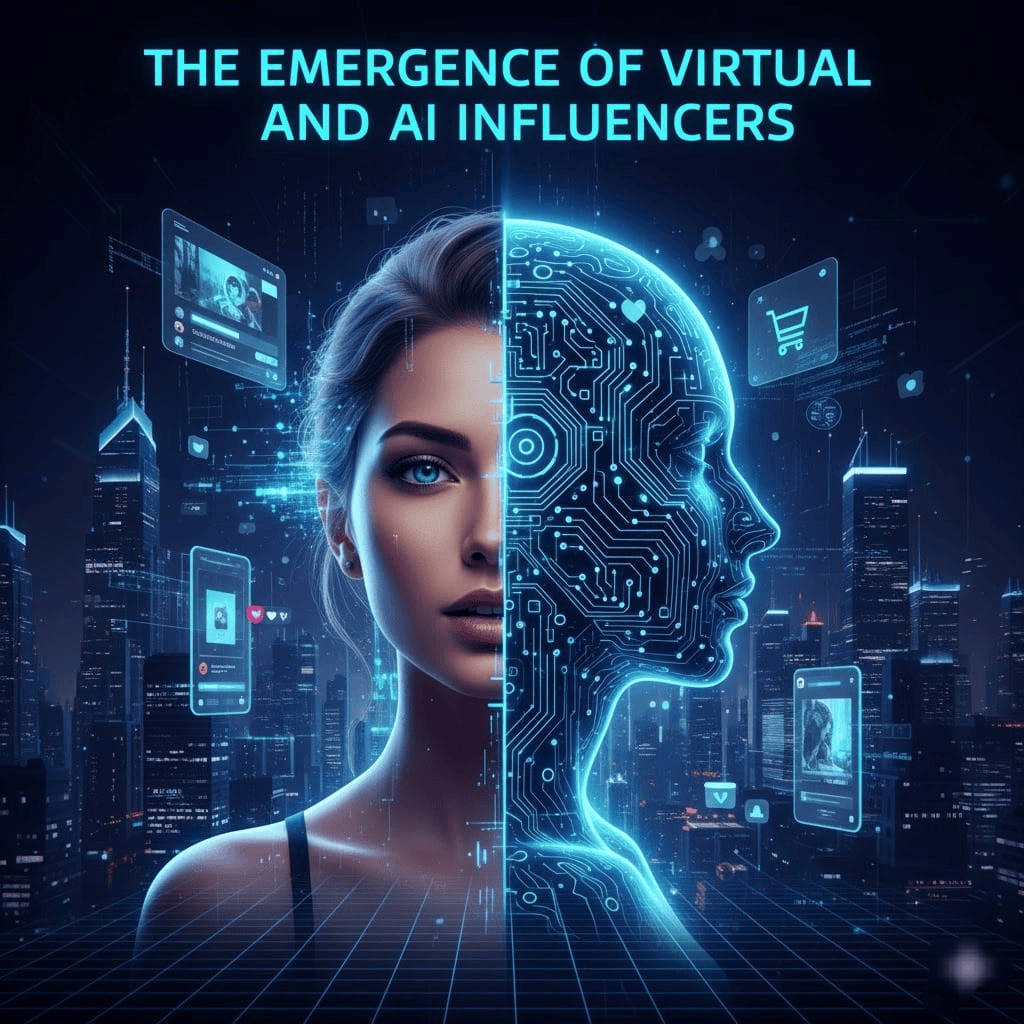
Among the most groundbreaking influencer marketing trends 2025, the rise of AI-generated virtual influencers stands out as a major shift. These digital personas — built with lifelike visuals and intelligent, adaptive personalities — enable brands to maintain total creative control while still engaging audiences in innovative, futuristic ways.
As influencer marketing trends 2025 evolve, virtual influencers like Lil Miquela and Shudu have paved the path for brands to create their own AI ambassadors. These AI-driven creators can engage 24/7, communicate in multiple languages, and personalize their message for each follower, making campaigns more efficient and scalable.
Strategy Insight:
To stay aligned with influencer marketing trends 2025, brands should:
-
Use virtual influencers for consistent, evergreen campaigns.
-
Pair them with human creators to maintain authenticity and emotional connection.
-
Explore metaverse activations and interactive digital events.
7. The Importance of Long-Term Collaborations
Another key highlight in influencer marketing trends 2025 is the shift from short-term deals to long-term partnerships. Brands now focus on building ambassador programs that reflect real loyalty and authentic storytelling. When influencers grow with a brand over time, their endorsements feel more genuine, resulting in deeper trust and higher conversions.
Strategy Insight:
-
Build 6–12 month partnerships instead of one-off posts.
-
Give influencers creative freedom to express the brand naturally.
-
Encourage co-creation, allowing influencers to shape campaigns and ideas.
8. Social Commerce and Shoppable Content
A major evolution in influencer marketing trends 2025 is the merging of influencer marketing with social commerce. Platforms like Instagram, TikTok, and YouTube now offer in-app shopping, allowing users to buy products directly from influencer content — creating a seamless path from discovery to purchase.
This shift reinforces how influencer marketing trends 2025 prioritize conversion-driven storytelling. For example, an influencer can showcase a new fashion line, and followers can instantly purchase the item with a single tap.
Strategy Insight:
-
Use shoppable posts, live shopping sessions, and clickable product tags.
-
Work with influencers skilled in conversion-focused storytelling.
-
Track sales, click-through rates, and audience behavior to measure ROI.
-
9. The Rise of Multi-Platform Influencers
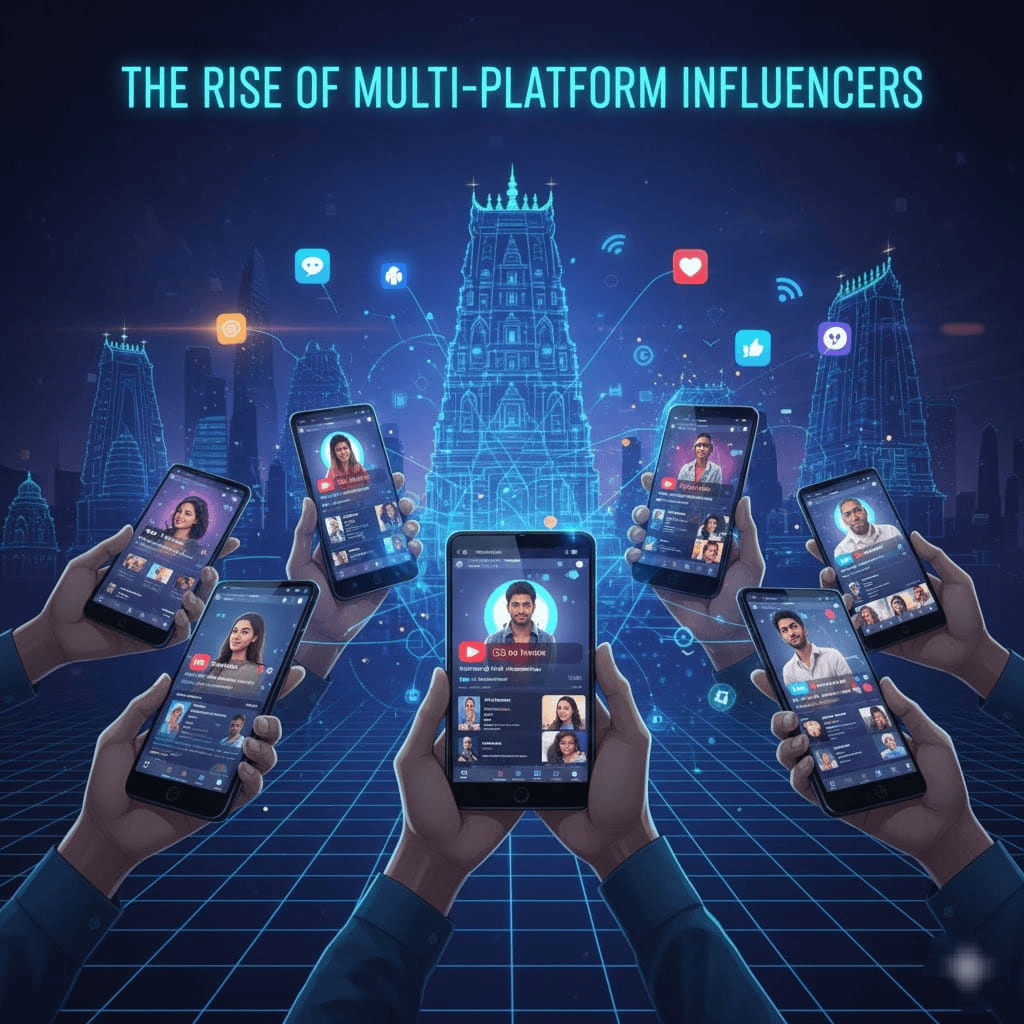
A major shift within influencer marketing trends 2025 is the rise of multi-platform creators who no longer rely on a single channel. In 2025, influencers are active across Instagram, YouTube, TikTok, LinkedIn, and even podcasts — creating a powerful omnichannel presence that strengthens visibility and engagement.
As influencer marketing trends 2025 evolve, brands are adopting cross-platform campaigns that tell a cohesive narrative across multiple touchpoints. This approach helps maintain consistency while reaching audiences wherever they spend their time.
Strategy Insight:
To stay aligned with influencer marketing trends 2025, brands should:-
Work with influencers who are active on multiple platforms.
-
Tailor content formats to suit each platform’s unique audience behavior.
-
Maintain consistent messaging and branding across all collaborations.
10. Regulatory and Ethical Shifts
Another important development in influencer marketing trends 2025 is the increase in regulatory and ethical guidelines. As influencer marketing grows, global advertising authorities now enforce stricter rules to ensure transparency and protect audience trust. Undisclosed sponsorships can severely damage both influencer and brand reputation.
Strategy Insight:
-
Always disclose paid partnerships clearly.
-
Use compliance tools and contracts to manage influencer agreements.
-
Promote ethical and responsible marketing practices.
11. AI Tools and Automation Streamline Campaigns
AI continues to transform influencer marketing trends 2025, especially in campaign management. Automation tools now handle influencer discovery, outreach, contract workflows, performance tracking, and even payments. This allows brands to scale operations without sacrificing authenticity or quality.
Strategy Insight:
-
Invest in AI-powered influencer platforms that combine analytics, CRM, and automation for efficient management.
12. Measuring ROI and Impact More Accurately
One of the most crucial influencer marketing trends 2025 is the enhanced ability to measure ROI with precision. Advanced analytics tools now help brands track how influencer content impacts website traffic, conversions, customer sentiment, and long-term retention.
As influencer marketing trends 2025 emphasize transparency and data-backed decisions, every campaign must demonstrate measurable outcomes and clear KPIs.
Strategy Insight:
To fully leverage influencer marketing trends 2025, brands should:-
Define clear KPIs before launching campaigns.
-
Use UTM tracking and affiliate links to measure performance accurately.
-
Evaluate engagement patterns to identify high-performing influencers.
13. Community-Driven Marketing
Among the most powerful influencer marketing trends 2025, community-building stands out as a major strategy. Instead of focusing only on reach, brands now invest in creator-led communities that share aligned values and missions. These communities drive deeper trust, organic advocacy, and long-term authenticity.
Strategy Insight:
-
Support influencer-led communities through events, online spaces, and collaborations.
-
Encourage peer-to-peer interactions and community discussions.
-
Strengthen brand loyalty through shared experiences and co-created content.
14. The Role of AI in Content Personalization
AI continues to shape influencer marketing trends 2025, especially in the area of content personalization. Brands now use AI tools to tailor influencer content for different audience segments based on behaviors, interests, and demographics. This creates highly relevant, conversion-driven experiences.
Strategy Insight:
Use AI to:-
Customize influencer content for various customer personas.
-
Test different creative formats using A/B testing.
-
Deliver personalized recommendations through social ads for higher impact.
15. The Future Outlook: What Comes Next
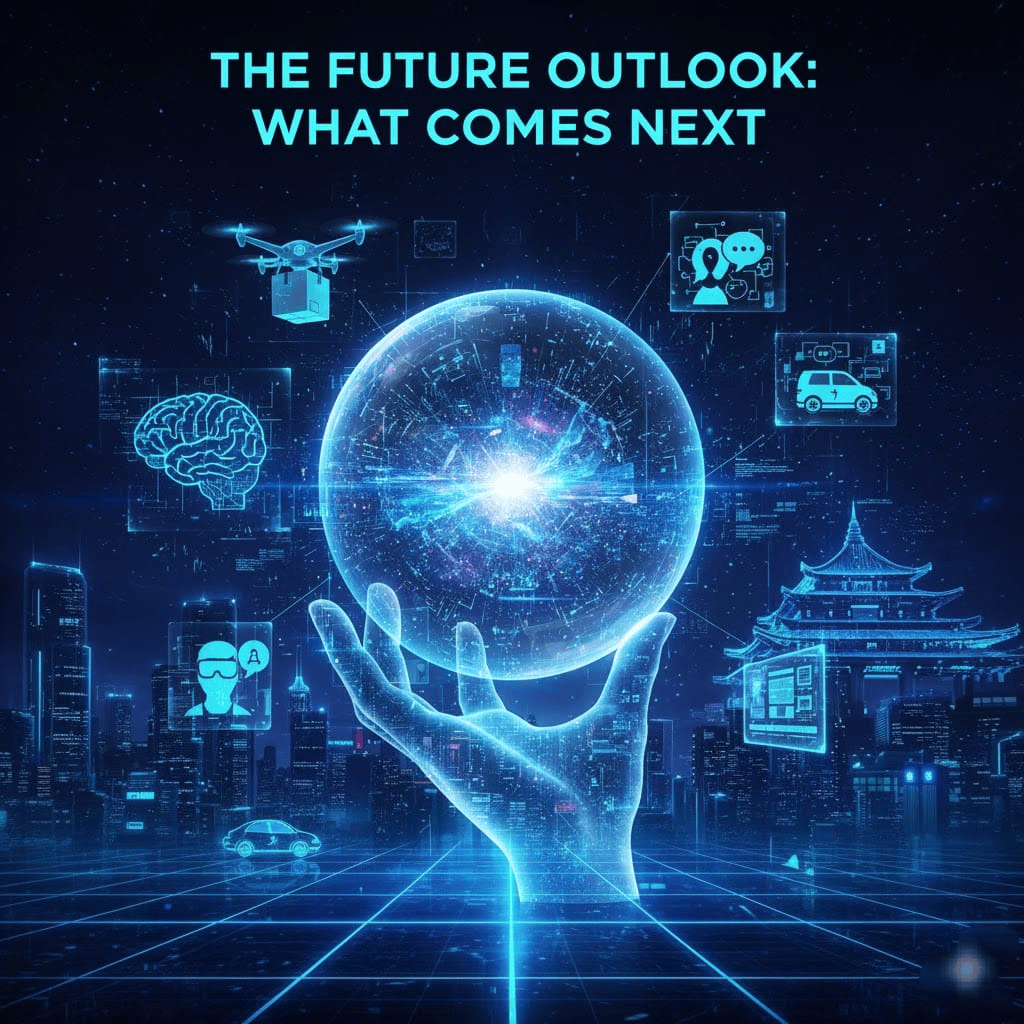
As we look ahead, influencer marketing will continue to merge technology, creativity, and human connection.
By 2026 and beyond, we’ll see:
- Greater use of augmented reality (AR) in influencer campaigns.
- Expansion of voice and audio influencers (e.g., podcasts, AI voices).
- Growth in hyperlocal influencer marketing for regional engagement.
The brands that succeed will be those that embrace change, invest in relationships, and leverage data intelligently.
Conclusion: Adapting to the Future of Influence
The future of influencer marketing in 2025 is exciting, diverse, and more strategic than ever before.
With evolving trends and strategies, brands must focus on authenticity, technology integration, and long-term relationships. Whether it’s micro-influencers driving local engagement or AI tools optimizing ROI, influencer marketing remains one of the most powerful tools in the digital landscape.
To thrive, brands should not just follow trends — they should create meaningful partnerships that build trust and deliver real value to audiences.
Final Takeaway
If you’re a brand or marketer looking to stay ahead, now is the time to:
✅ Invest in AI-driven influencer analytics
✅ Focus on authentic storytelling
✅ Build long-term, value-based relationships
✅ Measure impact with data transparency
By mastering these approaches, your brand can lead the new era of influencer marketing in 2025 — trends and strategies that define success in the digital age.