
This article naturally includes your keyword “Why is E-E-A-T Important for Your Website?”, along with supporting SEO keywords like E-E-A-T SEO, website authority, Google ranking factors, trustworthiness in SEO, and content credibility.
E-E-A-T for Google Rankings
In the ever-changing world of digital marketing and SEO, one question continues to dominate the conversation:
Why is E-E-A-T important for your website?
Search engines, especially Google, are becoming increasingly sophisticated in how they evaluate online content. Gone are the days when keyword stuffing or link-building alone could guarantee top rankings. Today, trust, credibility, and expertise define success.
That’s where E-E-A-T — short for Experience, Expertise, Authoritativeness, and Trustworthiness — comes in.
Introduced by Google as part of its Search Quality Evaluator Guidelines, E-E-A-T has become a core framework for assessing website quality. If your site demonstrates strong E-E-A-T signals, it’s far more likely to earn higher rankings, user trust, and long-term visibility.
In this detailed guide, we’ll break down what E-E-A-T means, how it impacts SEO, and how you can strengthen your website’s trust and authority in Google’s eyes.
1. What Is E-E-A-T in SEO?
Let’s start with the basics.
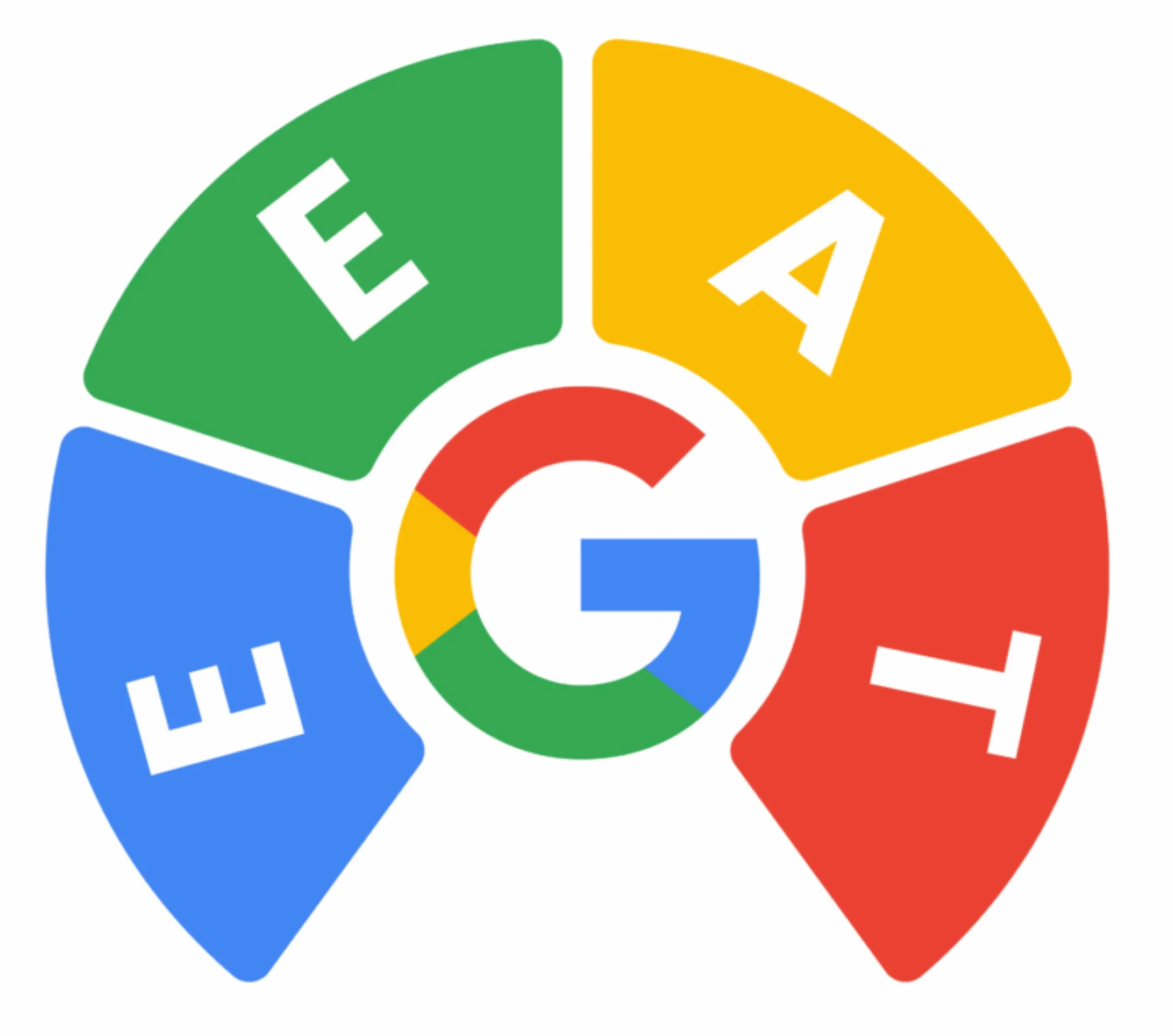
E-E-A-T stands for:
- E — Experience
- E — Expertise
- A — Authoritativeness
- T — Trustworthiness
This concept was first introduced as E-A-T (without the first “E”) in Google’s 2014 Search Quality Guidelines. In 2022, Google updated it to E-E-A-T, adding Experience to emphasize real-world knowledge and authenticity.
In simpler terms:
E-E-A-T represents how credible, useful, and trustworthy your content appears — both to users and Google’s algorithms.
Why Google Created E-E-A-T
The goal of E-E-A-T is to ensure that users receive reliable, accurate, and helpful information, especially in sensitive areas like health, finance, or news.
It helps Google identify websites that demonstrate real human expertise, not those using manipulative SEO tactics.
So, if you’ve been wondering, “Why is E-E-A-T important for your website?”, the answer is simple — because it’s how Google decides whether your content deserves to be trusted and ranked.
2. Breaking Down the Four Elements of E-E-A-T
Each element of E-E-A-T contributes to your website’s overall credibility. Let’s explore them one by one.
1. Experience
Experience is about showing that the content creator has first-hand knowledge or real-world experience on the topic.
For example:
- A travel blog written by someone who has actually visited the destinations.
- A fitness guide by a certified trainer who practices what they teach.
Google values content written by people who’ve been there and done that — not just by writers rewording information from other sites.
How to demonstrate Experience:
- Include personal stories or case studies.
- Use original photos or data.
- Add author bios highlighting hands-on experience.
- Provide behind-the-scenes insights into how you achieved results.
2. Expertise
Expertise refers to knowledge depth — how well the author understands the subject.
It’s not just about writing skills; it’s about subject mastery. Google looks for indicators that the writer or organization is a true expert in the field.
Example:
- A medical article written by a licensed doctor carries more weight than one by a generic content writer.
How to demonstrate Expertise:
- Mention certifications, qualifications, or professional backgrounds.
- Use technical terms appropriately.
- Back up claims with credible sources.
- Publish well-researched, informative, and updated content.
3. Authoritativeness
Authority is all about reputation. It measures how other websites, experts, and users view your content.
If your content gets mentioned, linked, or referenced by reputable websites, it signals to Google that your brand is a trusted authority in its niche.
How to build Authoritativeness:
- Earn backlinks from high-quality, relevant websites.
- Get featured in media, podcasts, or expert roundups.
- Encourage satisfied clients to leave reviews.
- Build a consistent brand voice across all platforms.
4. Trustworthiness
Trust is the foundation of E-E-A-T. Even if your content is expert and authoritative, if users don’t feel safe, Google won’t rank your site well.
Trustworthiness covers accuracy, transparency, and reliability.
How to demonstrate Trustworthiness:
- Use HTTPS (a secure website connection).
- Display contact information and privacy policies.
- Include author bios and publication dates.
- Avoid misleading or clickbait headlines.
- Cite sources and link to official references.
3. Why Is E-E-A-T Important for Your Website?
Now that you know what E-E-A-T stands for, let’s dig deeper into why it’s so crucial for your website’s success.
1. It Builds User Trust
In an age of misinformation, users want content they can believe in.
Strong E-E-A-T helps build credibility, increasing the likelihood that users will stay longer, share, and convert.
2. It Influences Google Rankings
While E-E-A-T is not a direct ranking factor, it influences many signals that Google uses — like backlinks, user engagement, and content quality.
If your website consistently demonstrates E-E-A-T, it naturally ranks higher.
3. It Protects You from Algorithm Updates
Google’s Core Updates often penalize low-quality or untrustworthy content.
Websites that follow E-E-A-T principles usually maintain their rankings even after major algorithm shifts.
4. It Strengthens Brand Reputation
When your site consistently provides valuable, accurate information, users see your brand as a reliable authority in your niche — leading to long-term loyalty.
4. How to Improve E-E-A-T on Your Website
Improving E-E-A-T takes time and consistency, but the payoff is worth it. Here’s a roadmap you can follow:
1. Showcase Author Credentials
Add author bios to every blog post. Mention credentials, years of experience, and relevant expertise. This helps Google understand that your content comes from a reliable source.
2. Include Real-World Experience
If you’re writing about digital marketing, share case studies, success stories, or results from clients.
If you’re reviewing a product, show real usage photos or screenshots.
3. Create High-Quality, Well-Researched Content
E-E-A-T-friendly content is original, accurate, and educational.
Avoid copying competitors — instead, provide unique insights and data that make your post stand out.
4. Optimize for On-Page Trust Factors
- Use SSL (HTTPS).
- Add contact details and About Us pages.
- Include references, citations, and external links.
- Display updated timestamps for accuracy.
5. Build Backlinks from Authoritative Sources
Earn mentions and links from respected industry websites. These external signals show Google that your website is trusted by others.
6. Maintain Transparency
Disclose partnerships, sponsorships, and affiliate relationships. Transparency helps build reader confidence and aligns with E-E-A-T values.
7. Get Positive Reviews and Testimonials
Online reviews contribute to your brand’s perceived authority.
Encourage clients and customers to share genuine feedback on platforms like Google Business Profile or Trustpilot.
5. E-E-A-T and Google’s Algorithm
You might be wondering — does Google actually measure E-E-A-T?
The answer: Indirectly, yes.
While there isn’t a specific “E-E-A-T score,” Google uses multiple signals that align with E-E-A-T principles, such as:
- Content quality and engagement metrics
- Backlinks from authoritative sites
- Expertise demonstrated through structured data and author profiles
- Positive brand mentions and user sentiment
Essentially, E-E-A-T acts as a framework that guides how algorithms evaluate your content’s trust and credibility.
So, when you ask, “Why is E-E-A-T important for your website?”, remember: it’s not about gaming Google — it’s about aligning your content with what users and algorithms both value most — trust.
6. Common Mistakes That Hurt Your E-E-A-T
Even well-intentioned websites make E-E-A-T mistakes. Avoid these pitfalls to maintain credibility:
- Publishing thin or unverified content
→ Solution: Always fact-check and cite sources. - Hiding author information
→ Solution: Add clear author bios and links to social profiles. - Ignoring website security (no HTTPS)
→ Solution: Secure your domain with SSL certification. - Using clickbait or misleading headlines
→ Solution: Write honest, relevant titles that match your content. - Failing to update content
→ Solution: Review old posts regularly and refresh outdated data.
7. E-E-A-T in Different Industries
E-E-A-T is vital across all industries, but it’s especially crucial for what Google calls “YMYL” (Your Money or Your Life) websites — those affecting users’ finances, health, or safety.
Examples:
- Finance Websites: Must show expert qualifications and cite credible financial data.
- Health Websites: Should be written by certified medical professionals.
- E-commerce Sites: Need transparent pricing, return policies, and secure payments.
Even if your niche isn’t YMYL, E-E-A-T still plays a major role in brand trust and ranking stability.

8. Future of E-E-A-T: Evolving with AI and GEO
As AI-generated content and Generative Engine Optimization (GEO) reshape digital marketing, E-E-A-T becomes even more essential.
AI tools can produce information quickly — but only human experience and expertise can build genuine trust.
That means future SEO strategies will depend on combining AI efficiency with E-E-A-T authenticity.
To stay ahead, ensure your website balances AI-powered tools with human insight, credibility, and storytelling.
9. Real-World Examples of Strong E-E-A-T
Example 1: WebMD
WebMD uses certified medical writers and references reputable studies — demonstrating both expertise and trustworthiness.
Example 2: HubSpot
HubSpot’s content includes case studies, research data, and expert authors — proving authority and experience in digital marketing.
Example 3: NerdWallet
NerdWallet builds financial credibility by combining expert advice with transparent product comparisons and verified authors.
These examples show that E-E-A-T isn’t a buzzword — it’s a business strategy.
10. Quick E-E-A-T Checklist for Your Website
✅ Add author bios with qualifications
✅ Use HTTPS and clear contact info
✅ Create in-depth, well-cited content
✅ Share real-life case studies or examples
✅ Earn links from trusted websites
✅ Keep all content regularly updated
✅ Encourage genuine customer reviews
✅ Avoid clickbait or low-quality content
✅ Maintain transparency with users
✅ Monitor Google’s guidelines regularly
By following this checklist, you’ll strengthen both user trust and Google’s confidence in your site.
Conclusion
In today’s competitive online world, E-E-A-T is more than an SEO buzzword — it’s the foundation of digital trust and visibility.
When you understand why E-E-A-T is important for your website, you realize it’s not about pleasing algorithms — it’s about serving people.
By demonstrating experience, expertise, authoritativeness, and trustworthiness, you don’t just rank higher — you build a brand users can rely on.
So, if you’re serious about long-term success in SEO, start focusing on E-E-A-T today.
Your users — and Google — will reward you for it.
Final Call-to-Action
Ready to strengthen your website’s trust and authority? 🚀
Our digital marketing experts can help you build a powerful E-E-A-T strategy that enhances your SEO, boosts rankings, and builds brand credibility.
👉 Contact us today to optimize your site the smart way.